“When life is sweet, be thankful, and rejoice; but when bitter, be strong, and persevere.” — Matshona Dhliwayo
Autumn LeavesAutumn Leaves
Tomorrow I will make a storied mashed potato recipe. It originated with our dear friend, the irrepressible Sue Grant, who passed away in June 2024.
Recipe for Mashed Potato Casserole
4 cups mashed potatoes, butter (4 T up to 1 stick)
& milk (1/2 to 1 cup), salt and pepper
8 oz cream cheese
1 egg
¼ cup chopped pimento (don’t have, don’t add)
¼ cup finely chopped onion (or much more – I like onions)
Pour into 2-quart baking dish, which is greased
Dot top with more butter and paprika
Bake at 350 for 45 minutes.
Note from Pam:Sue, help! I’ve lost your mashed potato casserole recipe, checked my completely disorganized folder, and it’s nowhere to be found. Wouldn’t you know, everyone in the country wants it for Thanksgiving because I’ve given the recipe to one half of the country and you to the other, and I’ve lost track of it. Please send it. Forgive me for losing it. Can I double the recipe? (Sunday 11/23/2008)
Note from Geoff:Sue says that the quantities aren’t all that important. Pimento and paprika are mostly for color. This dish is good, one of my favorites, but not a diet dish. Perfect for Thanksgiving. Having the actual recipe is so unimportant that Sue typically doesn’t use one or even remember the pimento. She adds way more onion than the recipe calls for. Modify however you wish.
Note from Linnea:When Sue and Geoff joined us for Thanksgiving in Albuquerque in 2012 with other Brookings folks (Joe and Signe Stuart, Terry and Ruth Branson, and many other relatives and friends), Sue made this recipe, introducing it to me for the first time. We’ve been making it for large gatherings and holiday dinners ever since.
If you read We Ran Away to Sea, you may recognize the names of our guestsbecause they all appear in the book. Sue and her husband Geoff also joined us on a sailing adventure in the Virgin Islands in 2013. Recorded in vivid detail in this YouTube video.
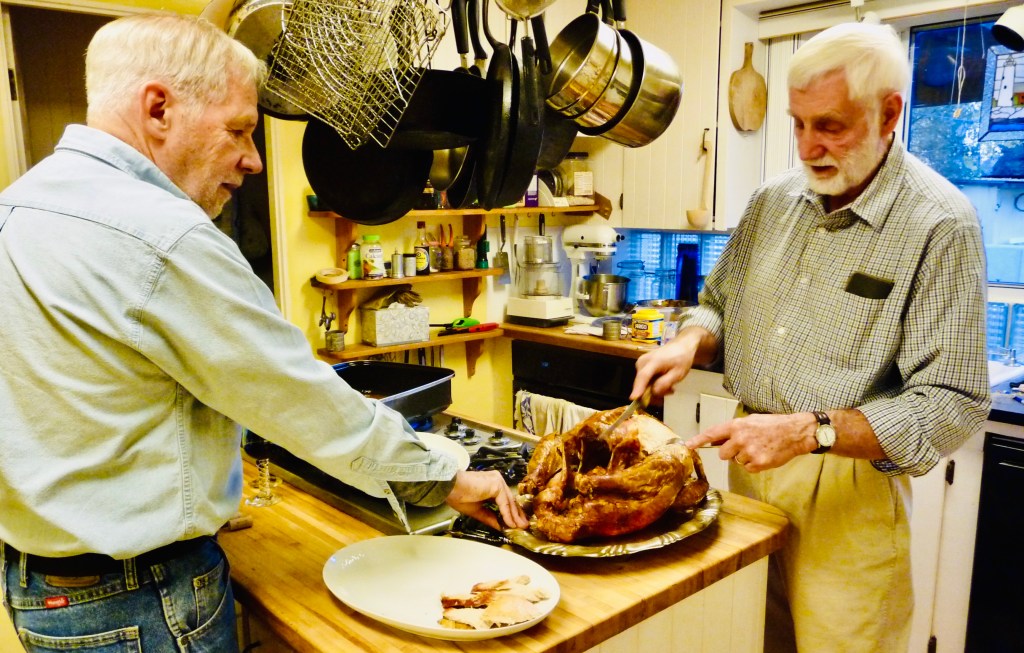
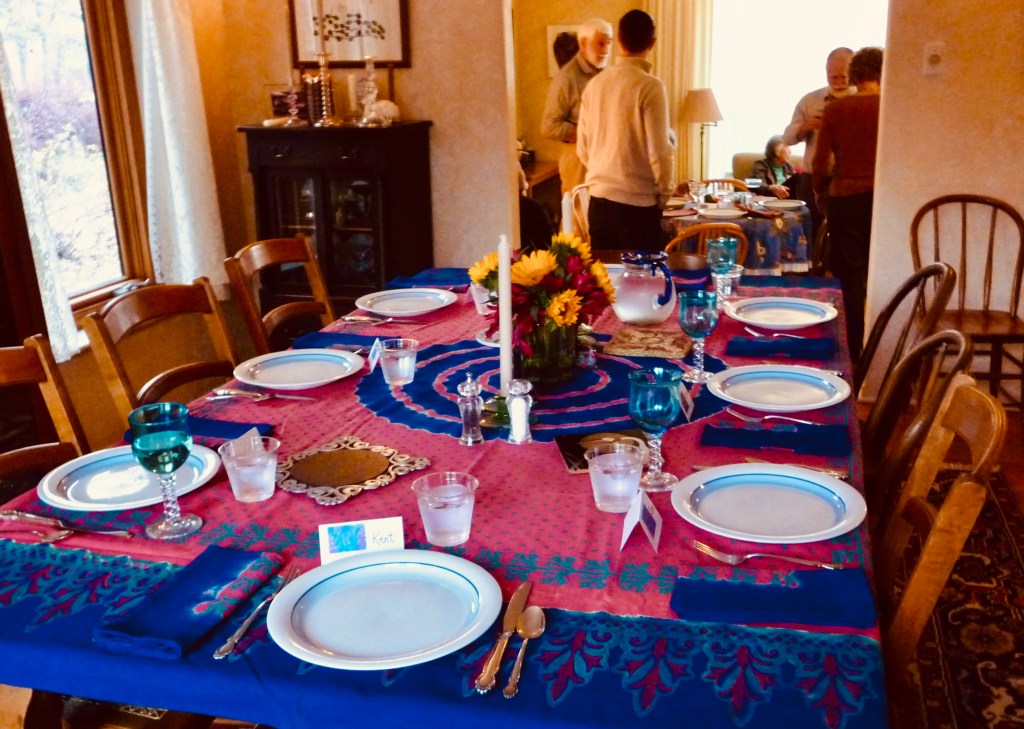
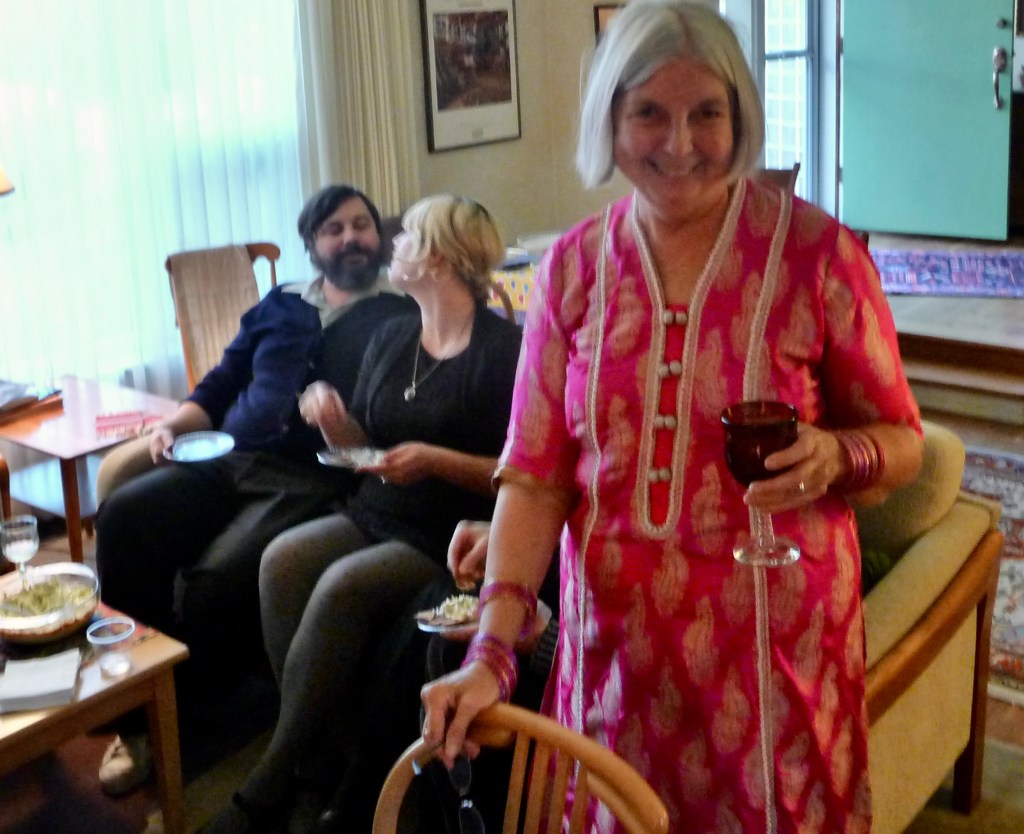
Unfortunately, there are not many pictures, none of the whole group, and the quality is poor. We were having too much fun to take pictures.
Pictures,Thanksgiving 2012: l-r Terry Branson and Kent, table, Linnea with Jesse & Carrie behind
This was my 2024-2025 Portfolio Project Completed for the Enchanted Lens Photography Club (ELCC), Albuquerque, New Mexico. The aim is to compile a group of pictures on a theme. Click on the individual photos to enlarge them
After a long absence from Caminobleu, I am sharing two December morning reflections with you instead of my usual Christmas letter.
December 19, 2024
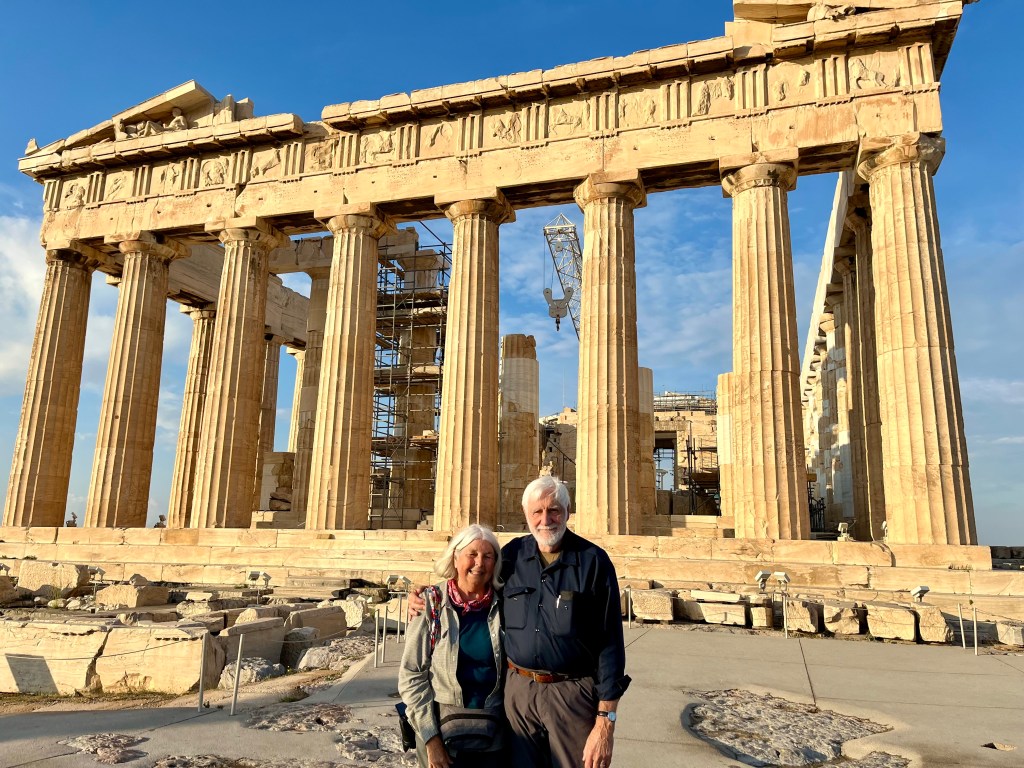
We have returned from a month in Egypt and Greece, where we immersed ourselves in the history of two ancient cultures that have influenced Western civilization for thousands of years. Yet, more than the ancient ruins and their mysteries, I was fascinated by the lives of ordinary people, the farmers and fishermen (we saw no fisherwomen) along the eternal life-giving Nile and the people still living in simple stone houses, much as their ancestors did on the small Greek island of Syros.
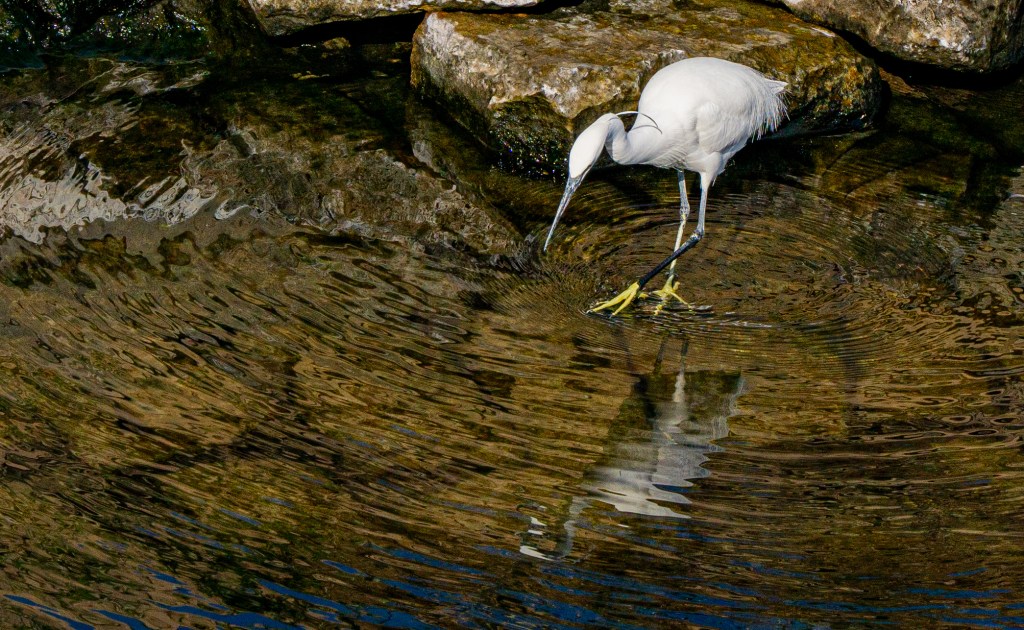
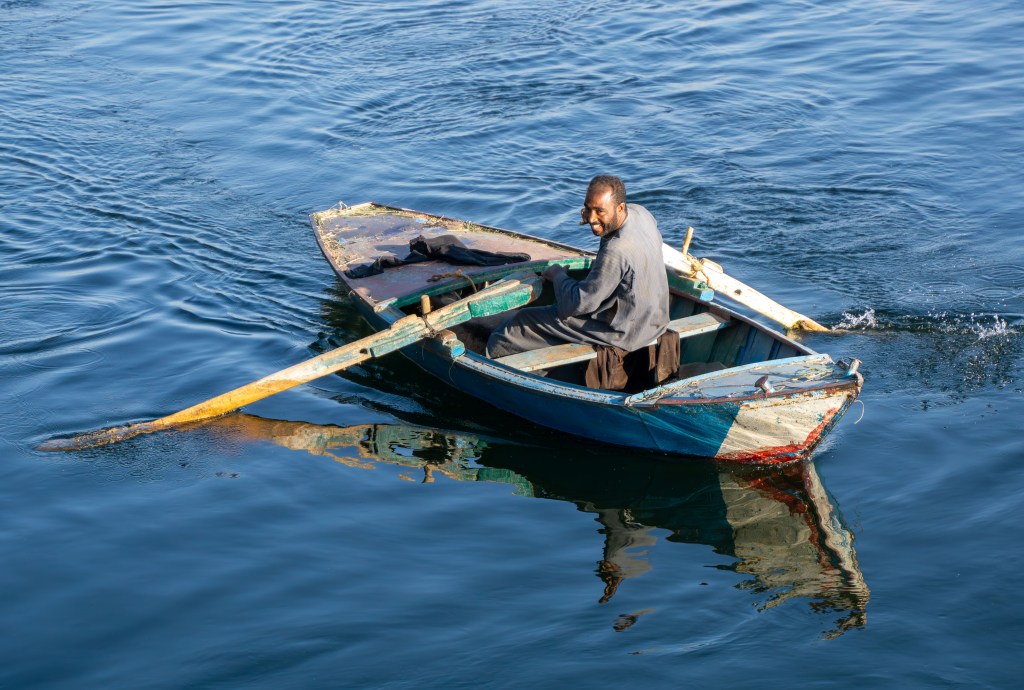
The herons, stilts, kingfishers, and small birds flitting through the trees and reeds along the Nile delighted me, as did the sunrises and sunsets. I was fascinated by the fishermen who rowed with clunky oars, usually two men in a boat: one young, one old. The old one handled the nets and studied the water, sometimes standing for a better view; the young one rowed, often in strong currents. I like to watch fishermen, perhaps because they remind me of my dad.
Snowy Egret on the NileFisherman on the Nile
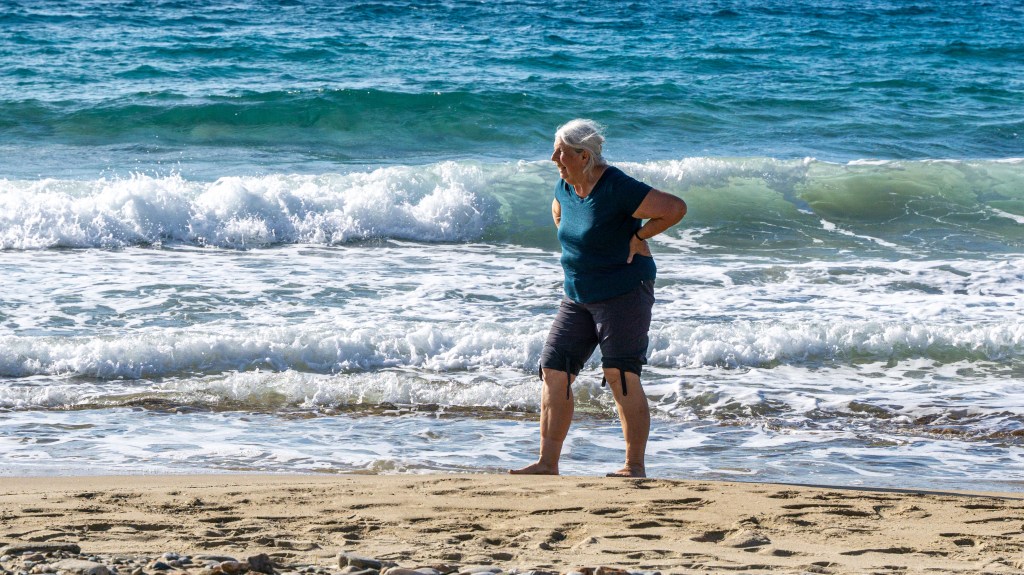
I loved the clear waters and brilliant pebbles on the Syros beaches, which reminded me of my childhood on Lake Superior. The autumn crocuses, struggling to bloom in the arid, rocky soil on the cliffs above the sea, brought back memories of autumn pilgrimages in France and Spain.
I photographed stones and waves on the beach and told Kent, “This is my happy place!”
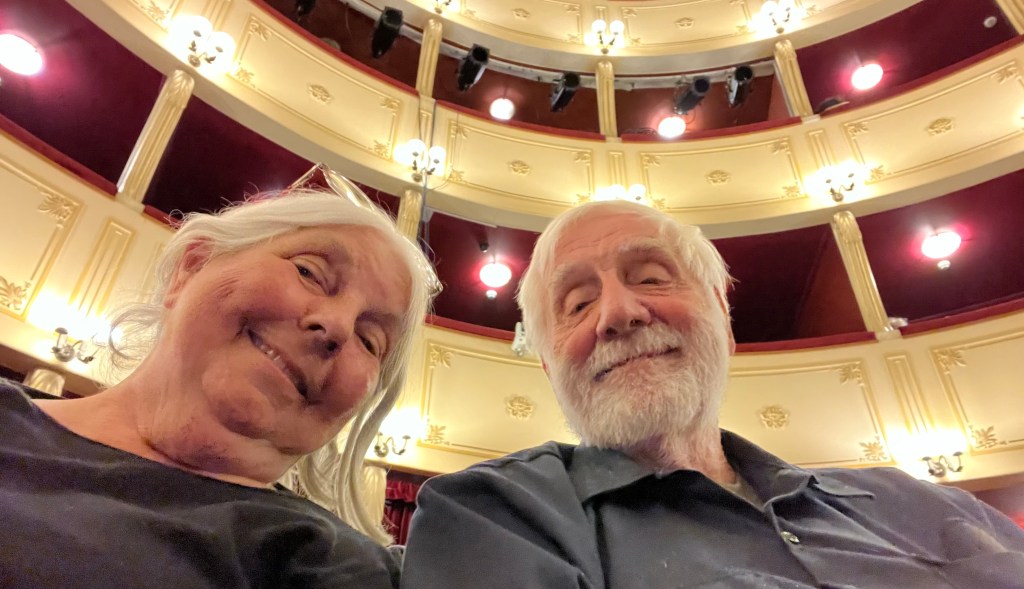
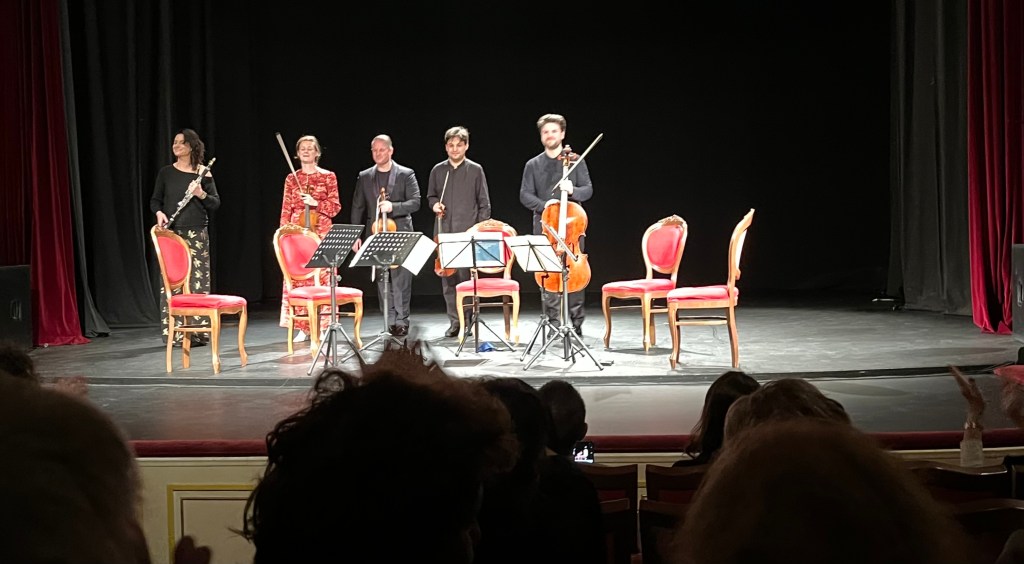
We took a ferry to Syros, seeking quiet after the intensity and crowds of Egypt and Athens. Our six-day visit coincided with the fledgling Syros International Chamber Music Festival, now in its second year. Violinist Pinchas Zukerman was the “grand old man” among the performers and organizers, but the younger musicians, their names hitherto unknown to us, were stellar. We attended all but one of five performances in the celebrated nineteenth-century Apollon theater, said to resemble La Scala.
I was touched by the participation of school children and the somewhat disorganized festival structure (performances started late, people wandered up and down forever looking for their seats, buying tickets was cumbersome, and people clapped in the wrong places). I recalled chamber music groups from the University of Michigan performing in the school auditorium in my small hometown of Newberry, Michigan, when one affable female violinist slept on our couch and shared our small bathroom without complaint. My parents faithfully attended the performances, enjoying the rare opportunity to experience what my dad called “highbrow culture.”
In October, we met Rebecca Reynolds at an author event she shared with Kent at Albuquerque’s Books on the Bosque. Although we’d just met, she cleverly used Kent’s decision to run away to sea as an example of an individual choosing to make a momentous change in his life. When Iwoke up this morning to begin reading the book, I found the first chapter of Thresholds of Change (Denver: Connolly Fox, 2024, so inspiring I stopped reading and wrote the following:
I am captivated by Reynolds’ use of the metaphor of the chambered nautilus. The nautilus creates new spiraled chambers as it grows, sealing each chamber except for one thread of living connective tissue called the siphuncle. As Reynolds describes it, “A core life-giving line that provides ballast and connects us to all parts of our lives, even those we’ve left behind.”
“The journey is what’s truly important.” Our experiences in life are not “over and done.” They are all connected.
As a pilgrim who sees my life as a journey, I like the concept of a living thread connecting all parts of my life.
I recall Tennyson’s poem “Ulysses.”
“I am a part of all that I have met.” These words mean more at eighty than they did at seventeen when I first read them in Miss Dwyer’s English class. I remember Miss Dwyer not only for what she taught but for her enthusiasm and implied belief in the importance of her subject matter. Through the siphuncle, the presence of Miss Dwyer and many family members, friends, and mentors connect my past and present.
At Miss Dwyer’s urging, we chose the final words of “Ulysses” as our Class of 1962 motto: “To strive, to seek, to find, and not to yield.” (How many of you remember your high school class motto?) This morning, I reread the poem in tears because I, too, now look back “from that sad height” (Dylan Thomas’s “Do not go gentle into that good night”) and reflect on the meaning and purpose of life from the perspective of old age.
Perhaps we live to love, learn, and grow in preparation for whatever comes next.
The dear friends I’m losing with increasing frequency remain part of my life forever. Sometimes, like this morning, my memories of them emerge through that life-giving core when they are least expected and most needed.
We have returned to a different America than the one we left. As the chaos and my feelings of foreboding intensify during this week before Christmas, I watch, wait, and pray for light to come as the world turns and the sacred sun returns.
“Yet all experience is an arch wherethro’ Gleams that untravell’d world, whose margin fades For ever and for ever when I move.”
“Come, my friends, ‘Tis not too late to seek a newer world.” – Tennyson, “Ulysses.”
Linnea and Kent at the Acropolis early in the morning













 Caminobleu